Editor’s Note: This article has been updated from its original April publication. Since petition signatures were submitted to the Secretary of State’s office, the measure has been certified for the November 2026 general election ballot. North Dakota voters will now decide whether to adopt universal school meals statewide.
A proposed constitutional amendment to provide free breakfast and lunch to all North Dakota students will appear on the November 2026 general election ballot after state officials verified that supporters collected enough valid signatures to qualify the measure.
The initiative, backed by the statewide Together for School Meals coalition, would ensure every student has access to one breakfast and one lunch each school day at no cost to families.
“It’s exciting to know that in just over 100 days, we didn’t just meet the requirements to be on the ballot — we exceeded them by more than 20,000 signatures,” said Amy Jacobson, executive director of Prairie Action ND and board member for Together for School Meals.
The group submitted 57,229 signatures to the Secretary of State’s office during a press conference held in the Great Hall of the state Capitol in early April.
North Dakota United is one of seven organizations serving on the coalition’s steering committee.
“ND United is proud to stand alongside our partners in Together for School Meals as we kick off the campaign to finally enact universal school meals,” NDU President Nick Archuleta said in a statement. “This is not only good for kids facing food insecurity, but it also provides meaningful relief for hard-working families across North Dakota. When a family can keep $1,000 per school-aged child in their pocket, that’s real money they can use for other essential costs.”
Robin Nelson, chair of the Together for School Meals sponsoring committee, said the campaign’s early success reflects strong, widespread support across the state.
“What brought us here today is something bigger than any one organization,” Nelson said. “This has truly been a statewide effort. People were asking to sign our petition. Volunteers are stepping up — in fact, about 174 people were collecting signatures at last count. Communities are leaning in, and the most common thing I hear is, ‘This is something I want the chance to vote on.’”
Ashley Gaschk, president of the North Dakota AFL-CIO and ND United member, emphasized the financial impact the measure could have on families.
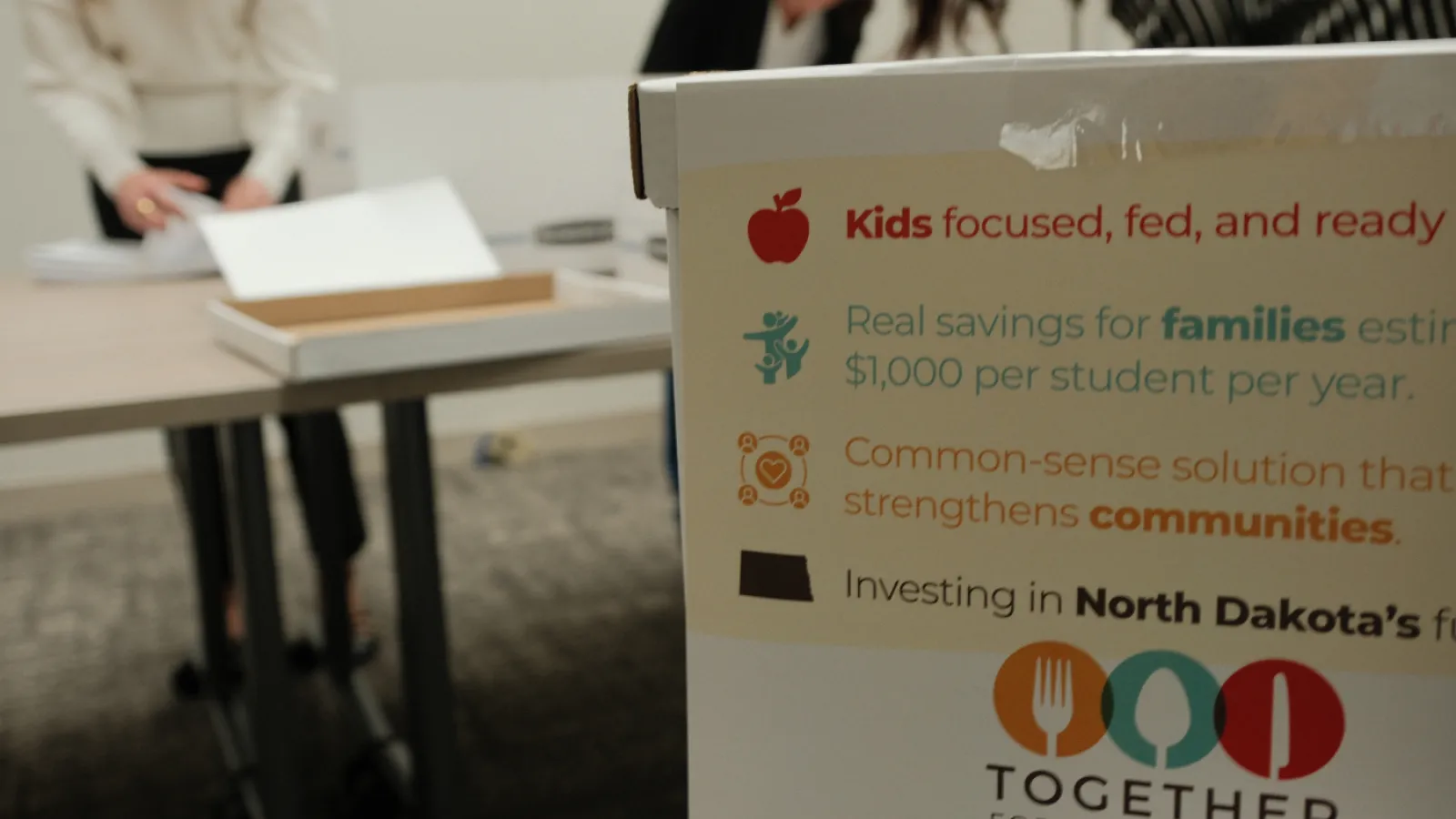
“Universal school meals would mean an estimated $1,000 per student, per year,” Gaschk said. “That’s not abstract — that’s real money. Money for groceries at home, rent, utilities or gas. It’s one less monthly expense for families to worry about.”
Michelle Wagner, legislative chair of the North Dakota School Nutrition Association, highlighted the educational and operational benefits of universal meals, including higher participation rates, improved student focus and engagement, and greater efficiency for school districts.
“This effort is about building a system that works for all kids—one that is consistent, efficient, and reflects the realities our schools and families face every day,” Wagner said.
Photos from Together for School Meals Petition Delivery Event
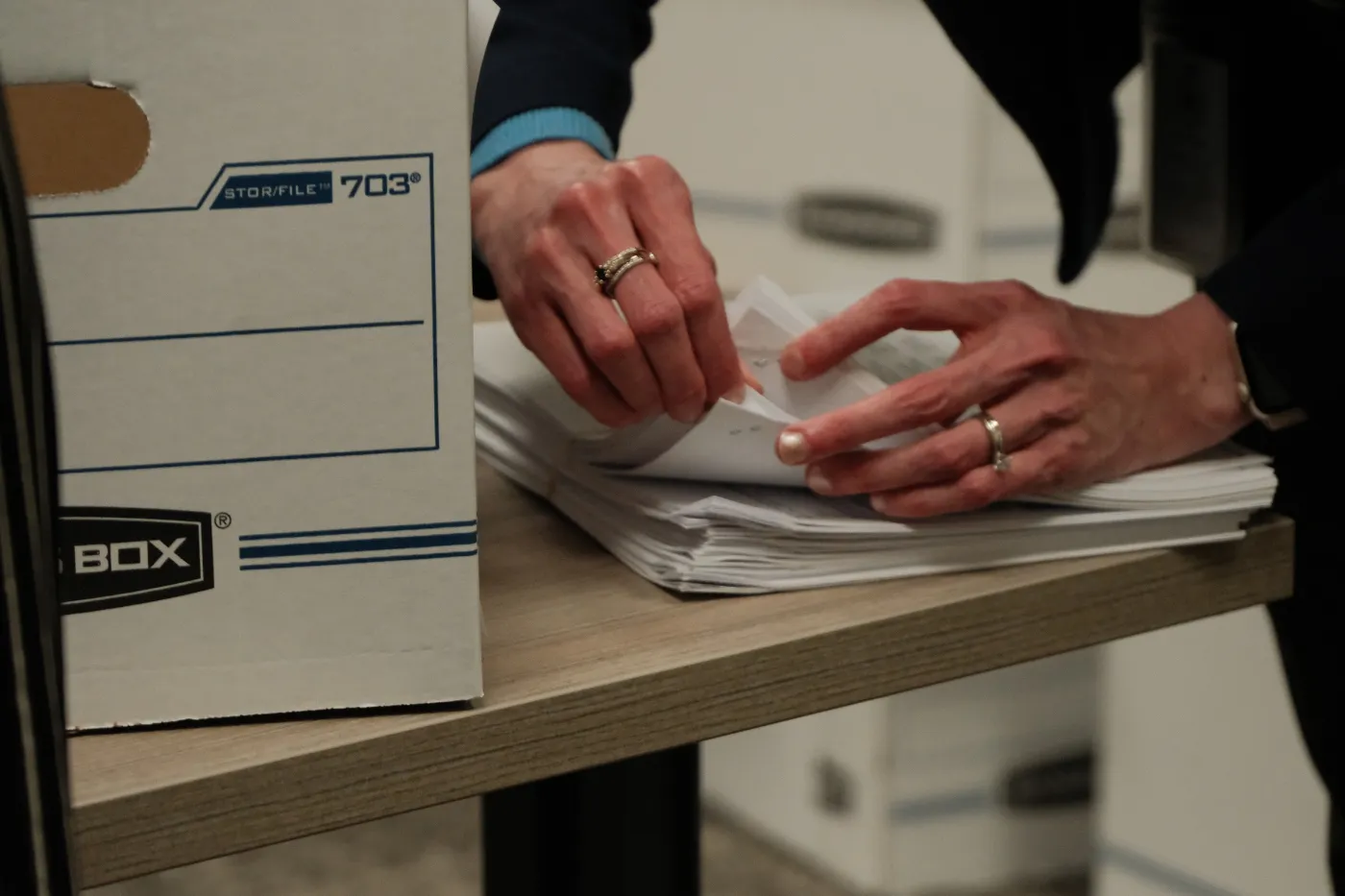
Photo by Kelly Hagen, ND United
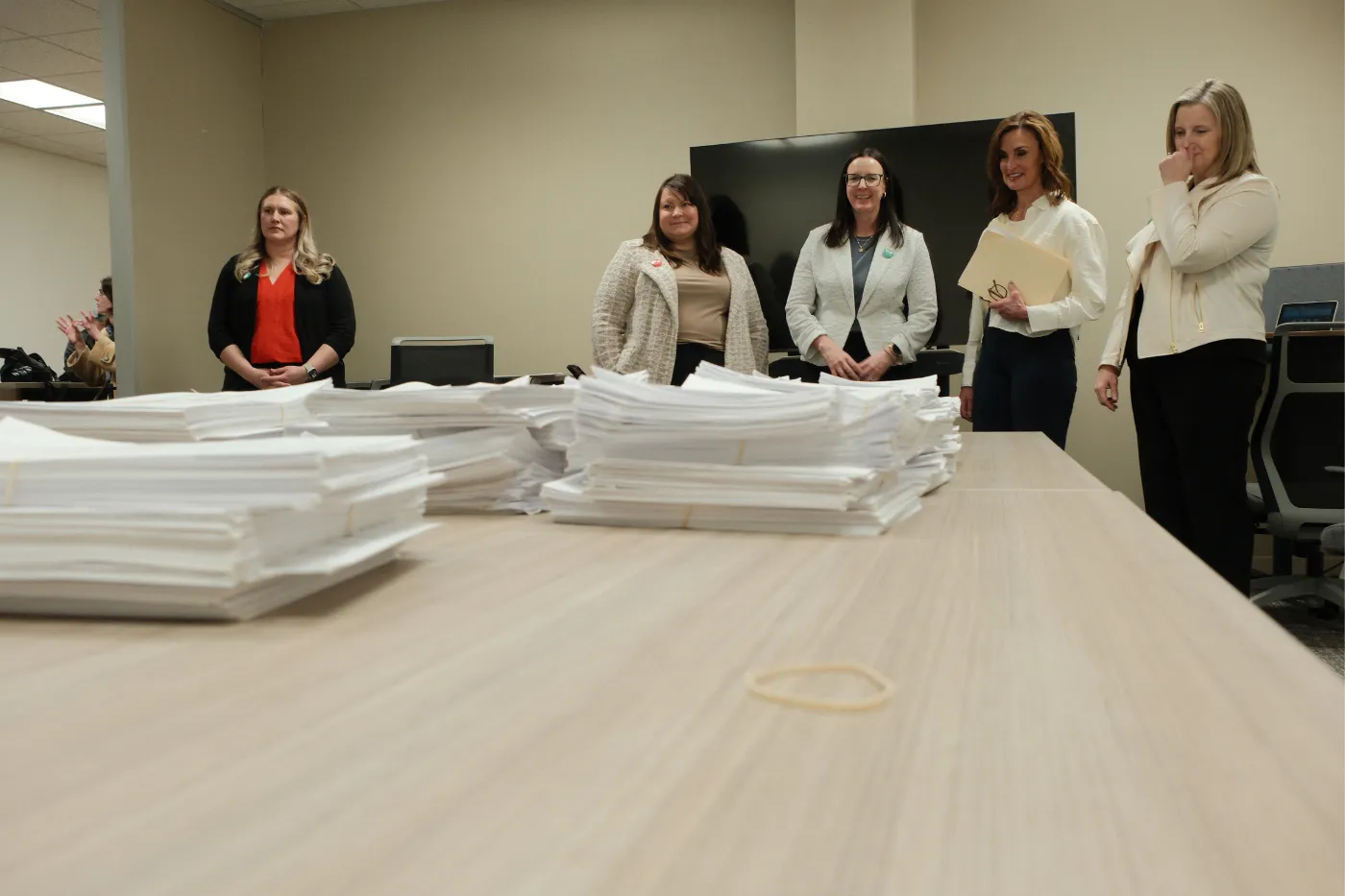
Photo by Kelly Hagen, ND United
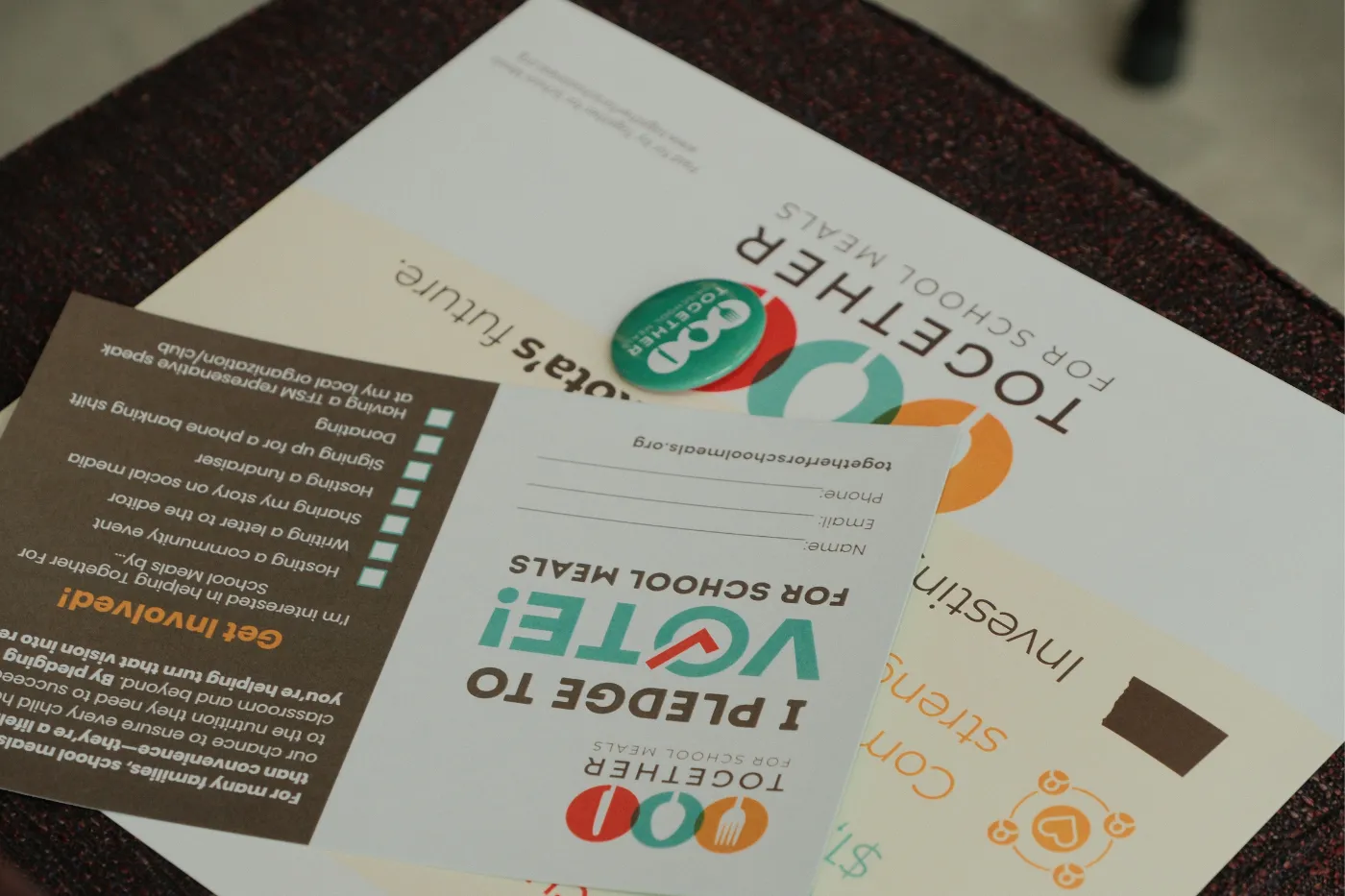
Photo by Kelly Hagen, ND United
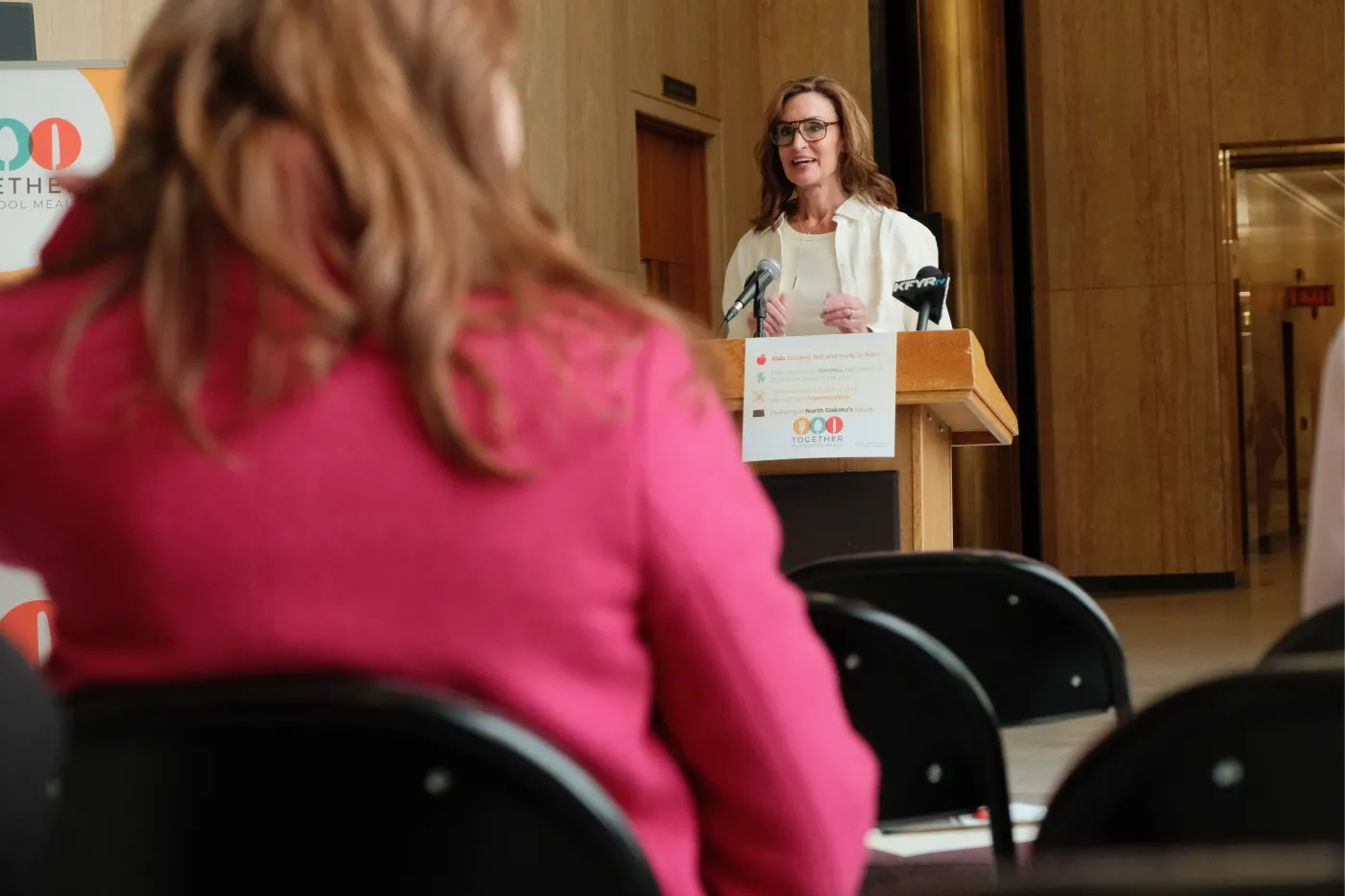
Photo by Kelly Hagen, ND United
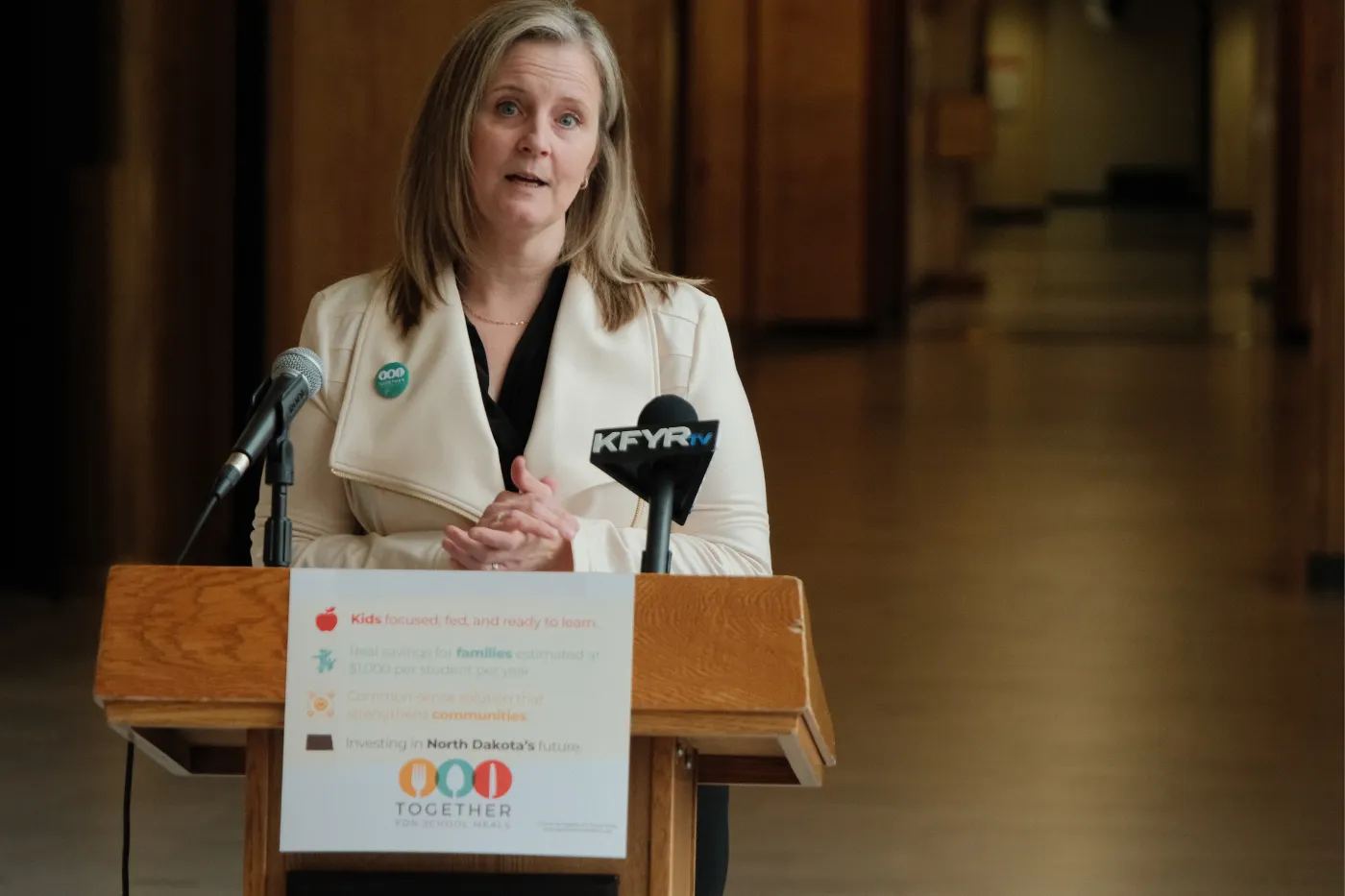
Photo by Kelly Hagen, ND United
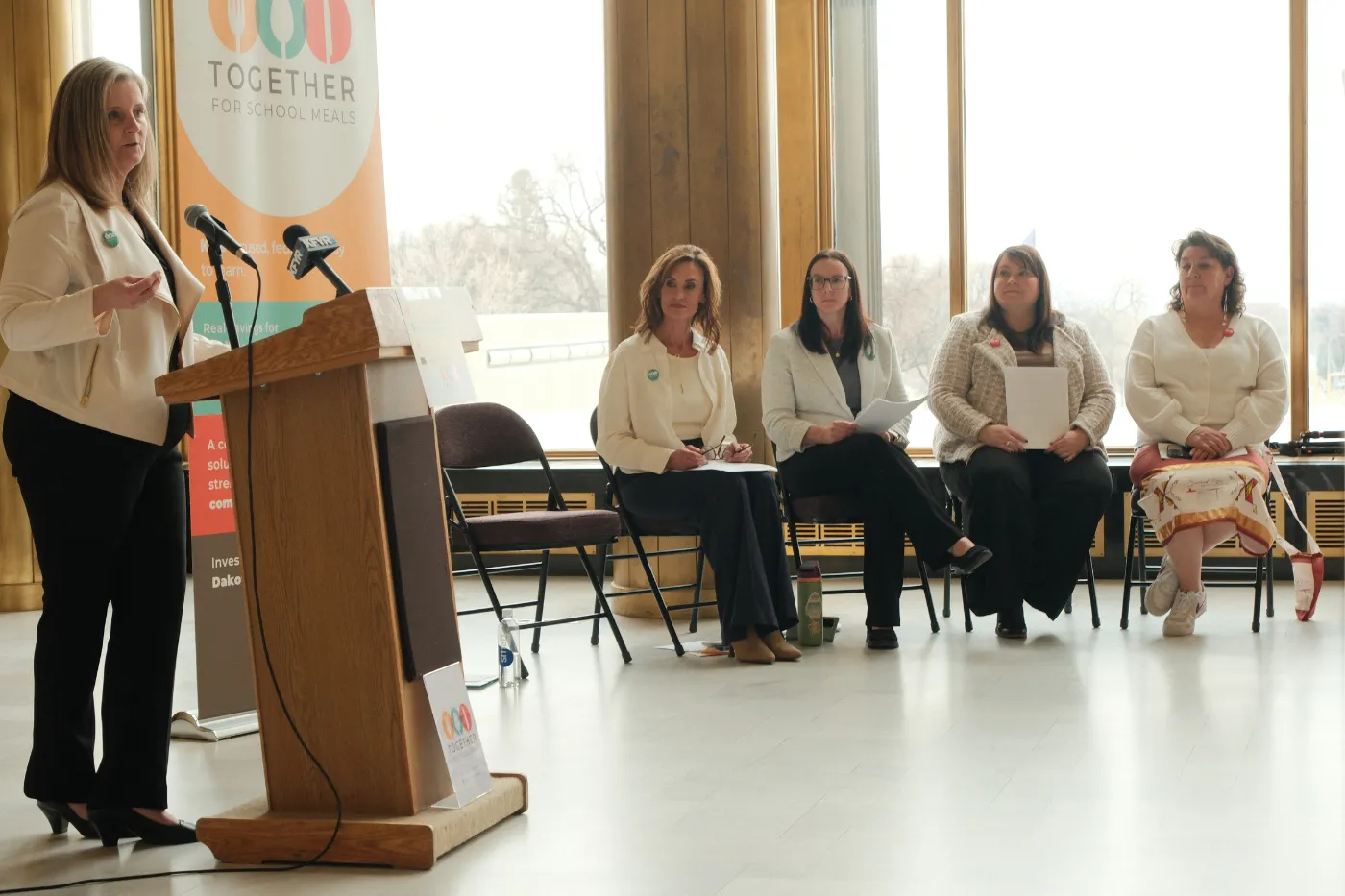
Photo by Kelly Hagen, ND United
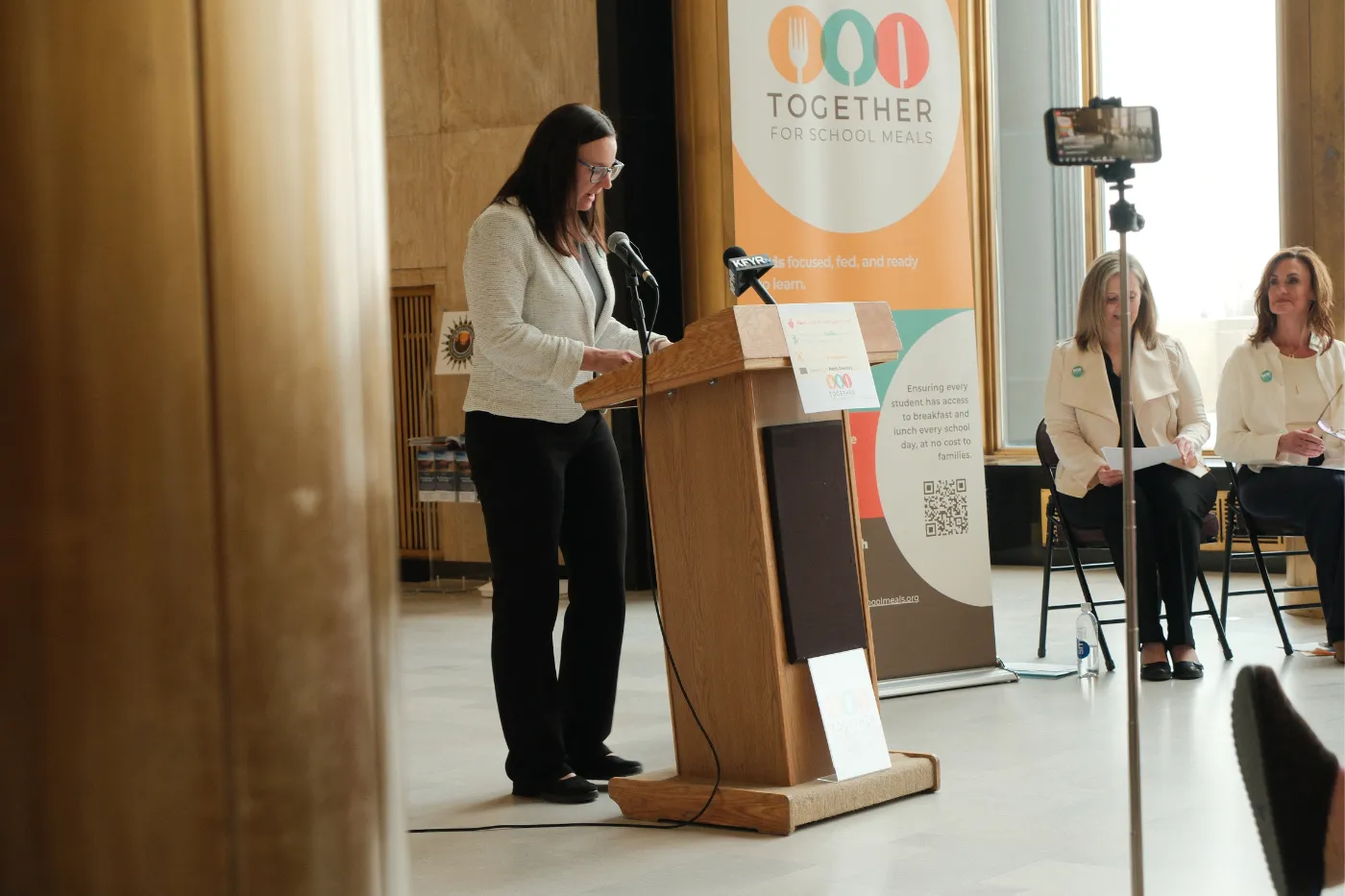
Photo by Kelly Hagen, ND United
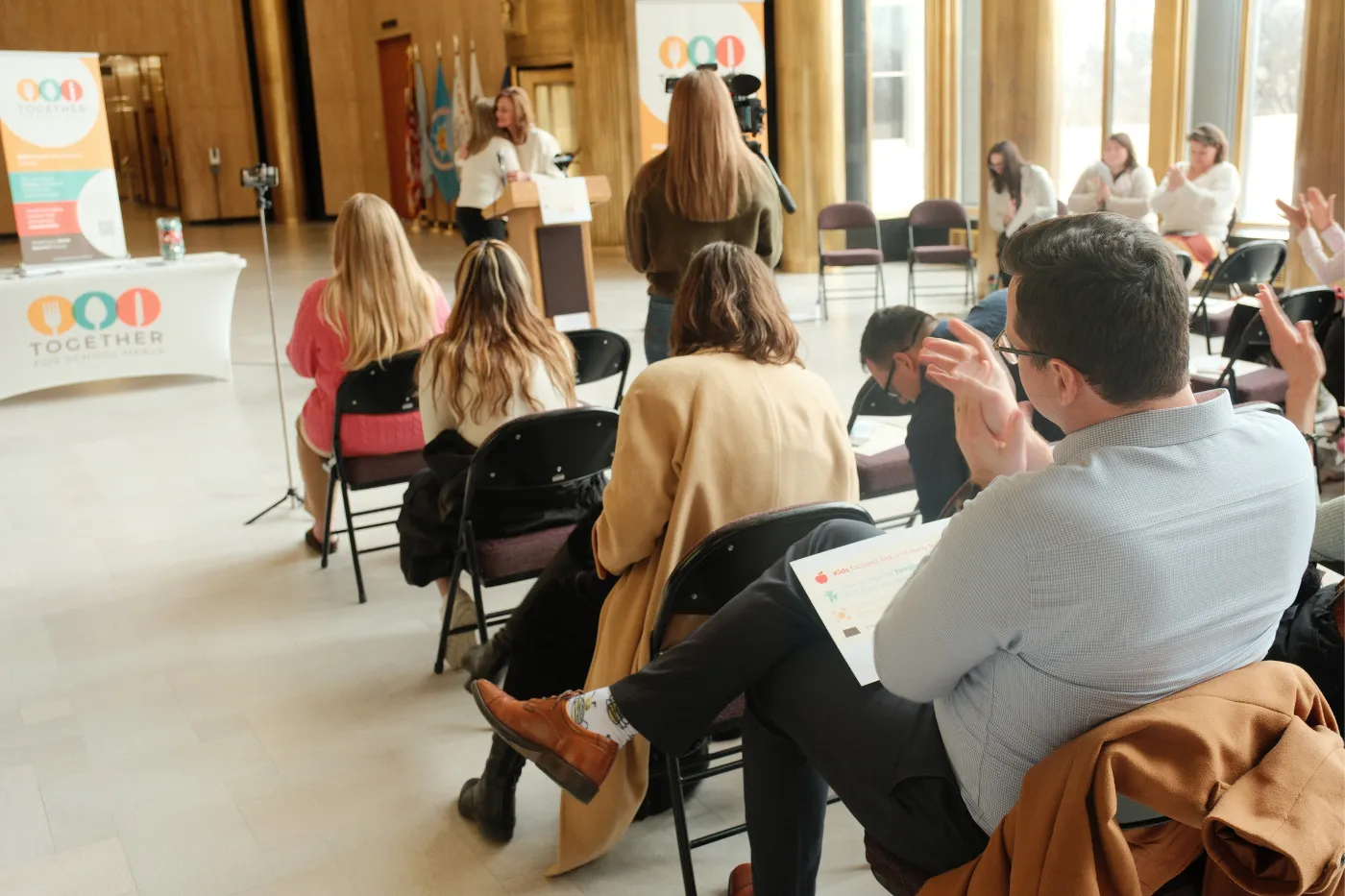
Photo by Kelly Hagen, ND United
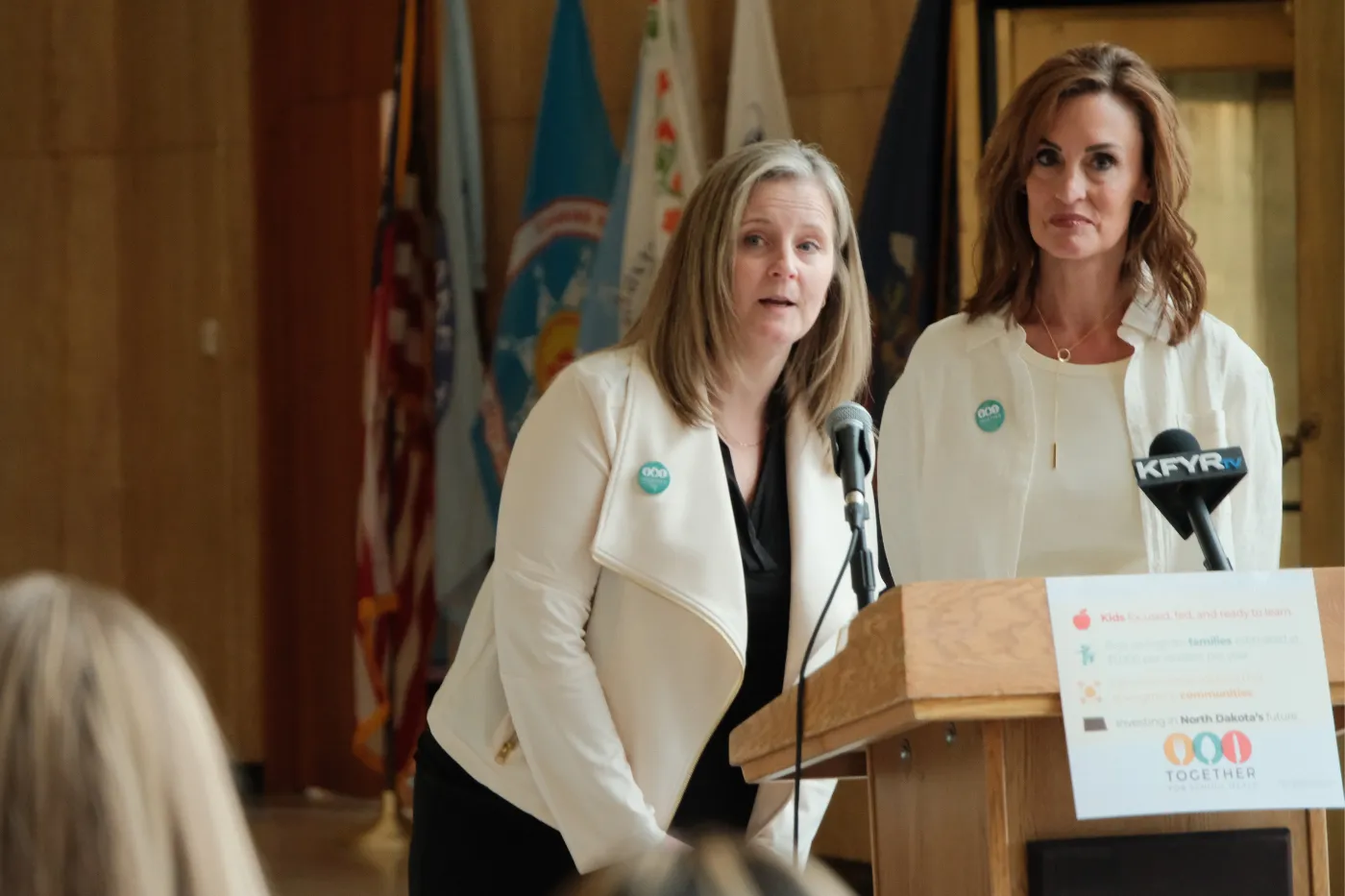
Photo by Kelly Hagen, ND United
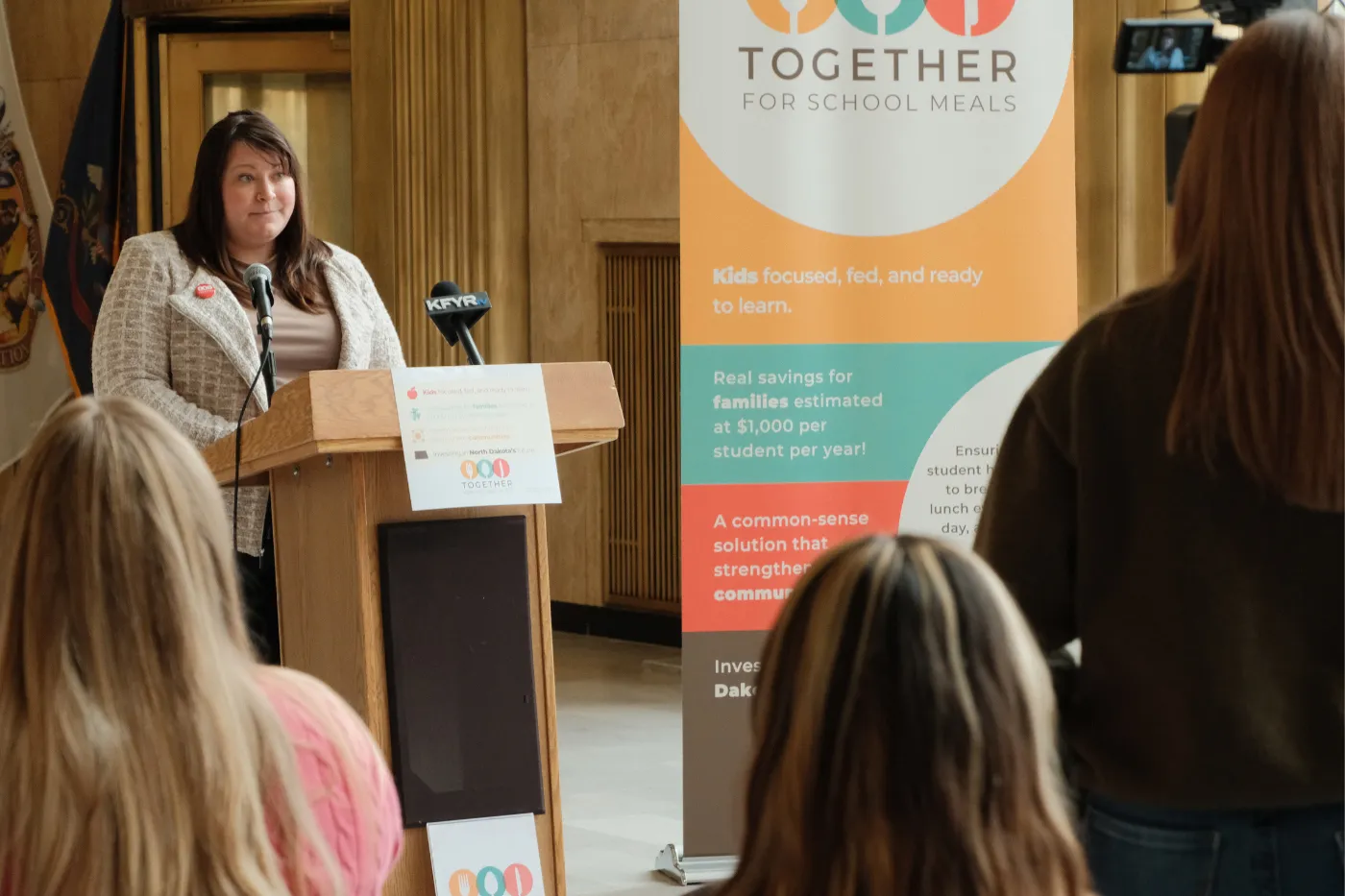
Photo by Kelly Hagen, ND United
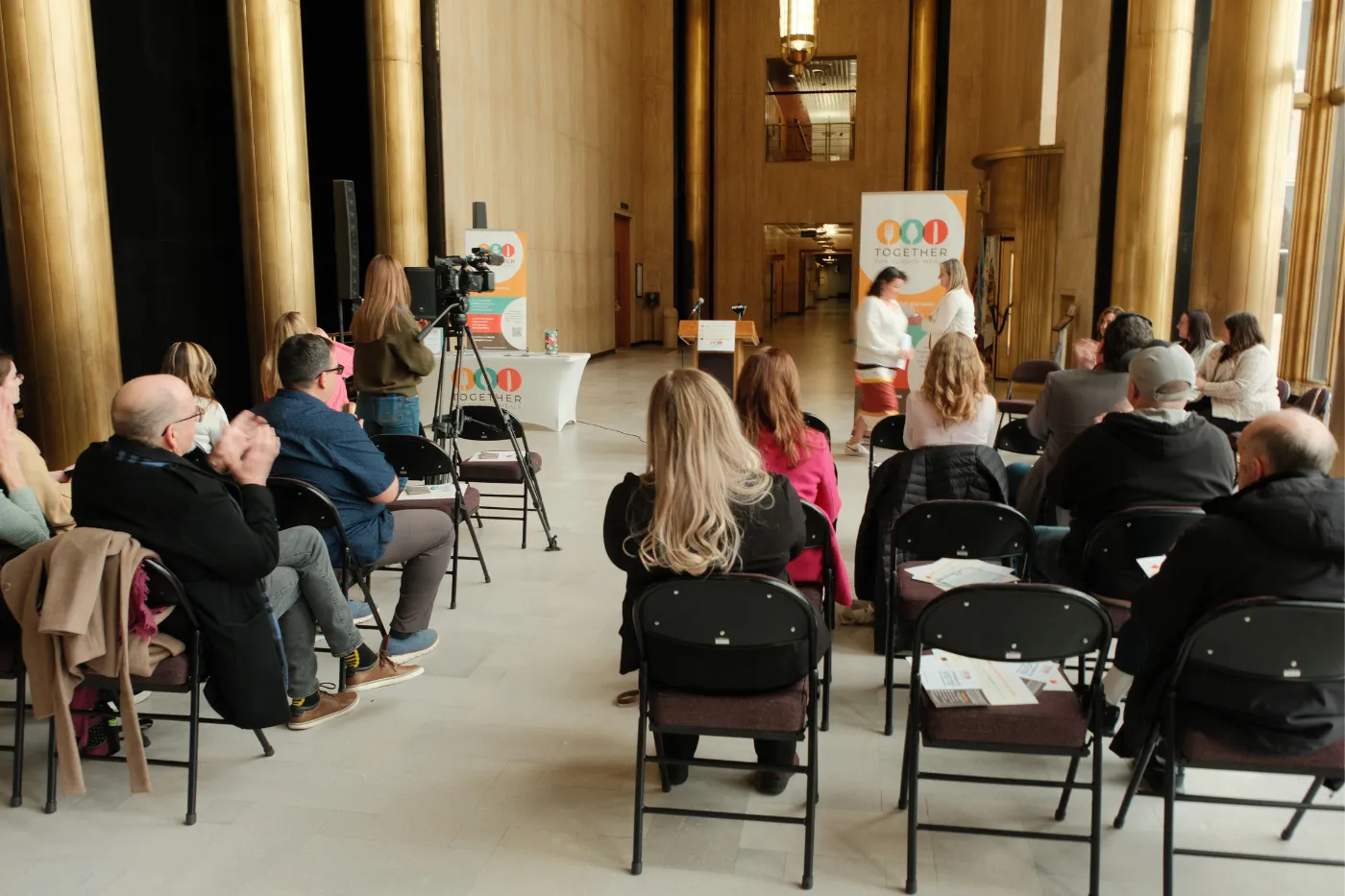
Photo by Kelly Hagen, ND United
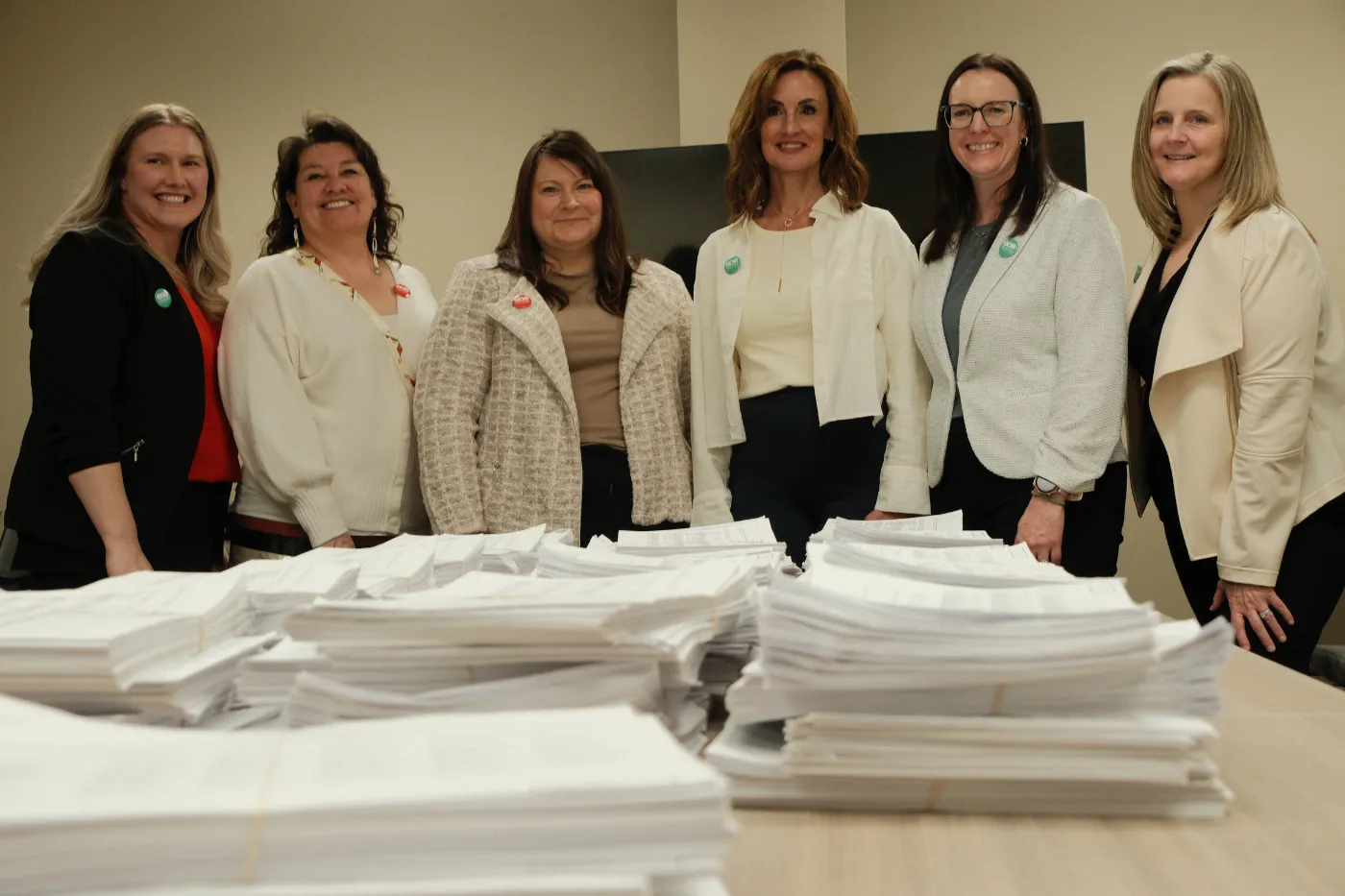
Photo by Kelly Hagen, ND United
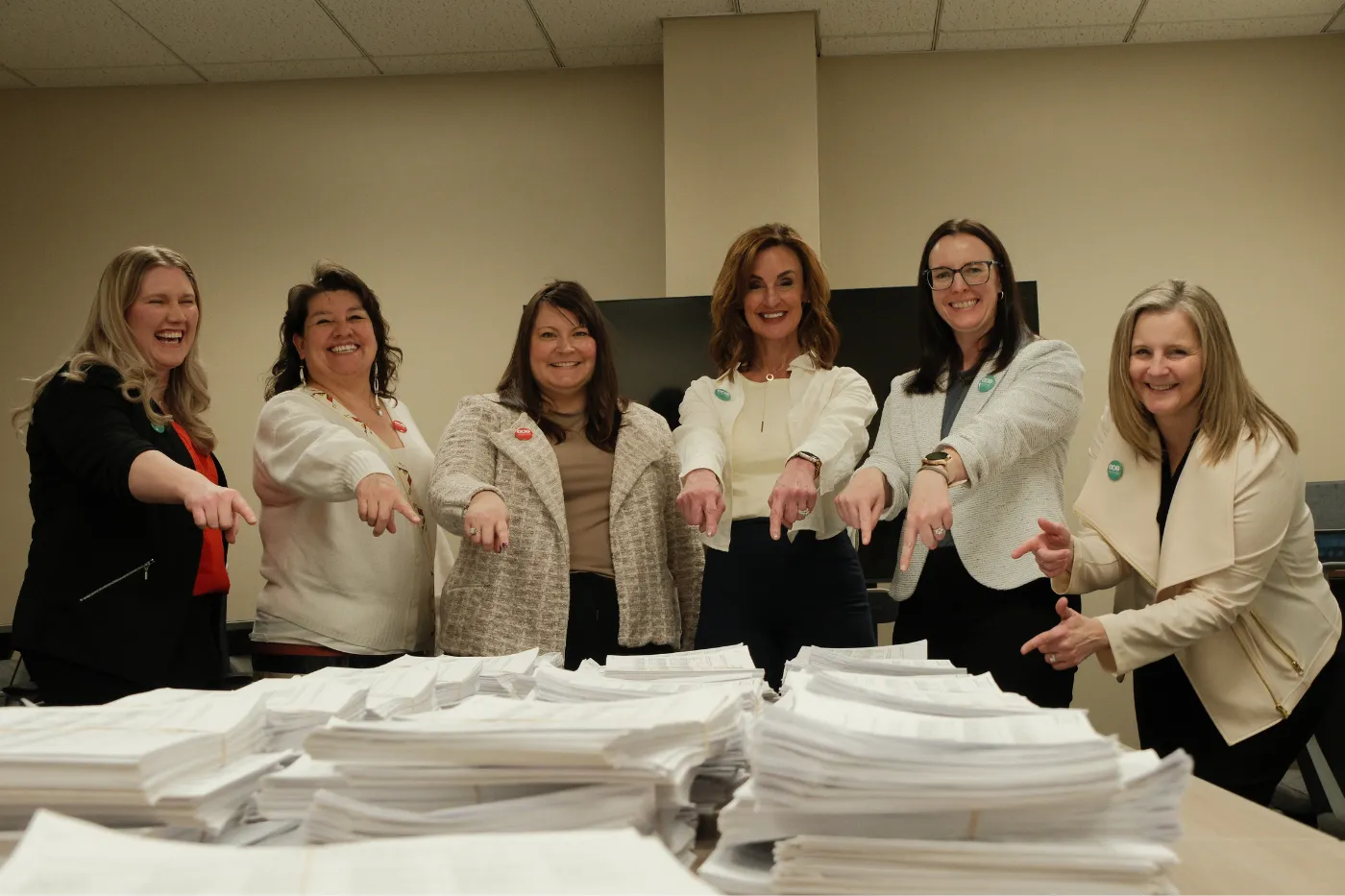
Photo by Kelly Hagen, ND United
The final speaker, Cheryl Kary, executive director of the Sacred Pipe Resource Center, opened her remarks with a quote from Sitting Bull: “The White man knows how to make everything, but he does not know how to distribute it.”
“This observation was made as the nation’s first Industrial Revolution was taking shape,” Kary said. “He also spoke about his dismay that a country so rich could treat its children so poorly.”
Kary said adopting universal school meals would align with Indigenous values of community care and equity, strengthening families, communities and future generations across North Dakota.
Archuleta added that the measure also aligns with the state’s constitutional commitment to providing all students access to a quality education without unnecessary barriers.
“Passing universal school meals acknowledges a simple truth — we don’t charge families for their kids to use computers, books, or participate in school activities,” Archuleta said. “We recognize those tools are essential to student success. The same is absolutely true for access to nutritious meals.”
With the measure now certified for the November 2026 ballot, North Dakota voters will have the opportunity to decide whether universal school meals should become part of the state constitution.
Supporters argue the proposal would reduce food insecurity, improve student readiness to learn, and save families an estimated $1,000 per child each year. Opponents are expected to raise questions about long-term costs and funding. The campaign will continue educating voters in the months leading up to Election Day.